

1. Chronic health conditions
According to the National Council on Aging, about 92 percent of seniors have at least one chronic disease and 77 percent have at least two. Heart disease, stroke, cancer, and diabetes are among the most common and costly chronic health conditions causing two-thirds of deaths each year. The National Center for Chronic Disease Prevention and Health Promotion recommends meeting with a physician for an annual checkup, maintaining a healthy diet and keeping an exercise routine to help manage or prevent chronic diseases. Obesity is a growing problem among older adults and engaging in these lifestyle behaviors can help reduce obesity and associated chronic conditions.
2. Cognitive health
Cognitive health is focused on a person’s ability to think, learn and remember. The most common cognitive health issue facing the elderly is dementia, the loss of those cognitive functions. Approximately 47.5 million people worldwide have dementia—a number that is predicted to nearly triple in size by 2050. The most common form of dementia is Alzheimer’s disease with as many as five million people over the age of 65 suffering from the disease in the United States. According to the National Institute on Aging, other chronic health conditions and diseases increase the risk of developing dementia, such as substance abuse, diabetes, hypertension, depression, HIV and smoking. While there are no cures for dementia, physicians can prescribe a treatment plan and medications to manage the disease.
3. Mental health
According to the World Health Organization, over 15 percent of adults over the age of 60 suffer from a mental disorder. A common mental disorder among seniors is depression, occurring in seven percent of the elderly population. Unfortunately, this mental disorder is often underdiagnosed and undertreated. Depression can be a side effect of chronic health conditions, managing those conditions help. Additionally, promoting a lifestyle of healthy living such as betterment of living conditions and social support from family, friends or support groups can help treat depression.
4. Physical injury
Every 15 seconds, an older adult is admitted to the emergency room for a fall. A senior dies from falling every 29 minutes, making it the leading cause of injury among the elderly. Because aging causes bones to shrink and muscle to lose strength and flexibility, seniors are more susceptible to losing their balance, bruising and fracturing a bone. Two diseases that contribute to frailty are osteoporosis and osteoarthritis. However, falls are not inevitable. In many cases, they can be prevented through education, increased physical activity and practical modifications within the home.
5. Malnutrition
Malnutrition in older adults over the age of 65 is often underdiagnosed and can lead to other elderly health issues, such as a weakened immune system and muscle weakness. The causes of malnutrition can stem from other health problems (seniors suffering from dementia may forget to eat), depression, alcoholism, dietary restrictions, reduced social contact and limited income. Committing to small changes in diet, such as increasing consumption of fruits and vegetables and decreasing consumption of saturated fat and salt, can help nutrition issues in the elderly. There are food services available to older adults who cannot afford food or have difficulty preparing meals.
6. Sensory impairments
Sensory impairments, such as vision and hearing, are extremely common for older people over the age of 70. According to the CDC, one out of six older adults has a visual impairment and one out of four has a hearing impairment. Luckily, both of these issues are easily treatable by aids such as glasses or hearing aids. New technologies are enhancing assessment of hearing loss and wearability of hearing aids.
7. Oral health
Often overlooked, oral health is one of the most important issues for the elderly. The CDC’s Division of Oral Health found that about 25 percent of adults over the age of 65 no longer have their natural teeth. Problems such as cavities and tooth decay can lead to difficulty maintaining a healthy diet, low self-esteem, and other health conditions. Oral health issues associated with older adults are dry mouth, gum disease and mouth cancer. These conditions could be managed or prevented by making regular dental check-ups. Dental care, however, can be difficult for seniors to access due to loss of dental insurance after retirement or economical disadvantages.
8. Bladder control and constipation
Incontinence and constipation are both common with aging, and can impact older adults quality of life. In addition to age-related changes, these may be a side effect of previous issues mentioned above, such as not eating a well-balanced diet and suffering from chronic health conditions. The Mayo Clinic suggests maintaining a healthy weight, eating a healthy diet and exercising regularly to avoid these elderly health issues. There are often effective medical treatments, and older adults should not be embarrassed to discuss with their physicians.
Healthy Tips
Today, for the first time in history, most people can expect to live into their sixties and beyond. A longer life represents an important opportunity, not only for older people and their families, but also for societies as a whole. Additional years provide the chance to pursue new activities such as further education or a long neglected passion, while continuing to make valuable contributions to family and community. Yet the extent of these opportunities depends heavily on one factor: health.
Fact 1: The world’s population is rapidly ageing
The number of people aged 60 years or older will rise from 900 million to 2 billion between 2015 and 2050 (moving from 12% to 22% of the total global population). Population ageing is happening more quickly than in the past. For example, while France had almost 150 years to adapt to a change from 10% to 20% in the proportion of the population that was older than 60 years, places like Brazil, China and India will have slightly more than 20 years to make the same adaptation.
Fact 2: There is little evidence that older people today are in better health than their parents
The proportion of older people in high-income countries needing help from another person to carry out basic activities such as eating and washing may have declined slightly over the past 30 years. However, there has been little change in the prevalence of less severe limitations in functioning.
Fact 3: The most common health conditions in older age are noncommunicable diseases
Older people in low- and middle-income countries carry a greater disease burden than those in the rich world. Regardless of where they live the biggest killers of older people are heart disease, stroke and chronic lung disease. The greatest causes of disability are sensory impairments (particularly in low- and lower-middle-income countries), back and neck pain, chronic obstructive pulmonary disease (particularly in low- and lower-middle-income countries), depressive disorders, falls, diabetes, dementia and osteoarthritis.
Fact 4: When it comes to health, there is no ‘typical’ older person
Biological ageing is only loosely associated with person age in years. Some 80 year-olds have physical and mental capacities similar to many 20 year-olds. Other people experience declines in physical and mental capacities at much younger ages.
Fact 5: Health in older age is not random
Although some of the variations in older people’s health reflect their genetic inheritance, most is due to their physical and social environments, and the influence of these environments on their opportunities and health behaviour. Importantly, these factors start to influence ageing from childhood. This means that an older person from a disadvantaged background is both more likely to experience poor health and less likely to have access to the services and the care that they may need.
Fact 6: Ageism may now be more pervasive than sexism or racism
Ageism – discrimination against a person on the basis of their age – has serious consequences for older people and societies at large. Ageism can take many forms, including prejudicial attitudes, discriminatory practices, or policies that perpetuate ageist beliefs. It can obstruct sound policy development, and it can significantly undermine the quality of health and social care that older people receive.
Fact 7: Comprehensive public health action will require fundamental shifts in how we think about ageing and health
Health in older age shouldn’t be defined by the absence of disease. Healthy Ageing is achievable by every older person. It is a process that enables older people to continue to do the things that are important to them. While health and social care expenditures for older people are often viewed as costs to society they should be understood as investments in realising opportunities and enabling older people to continue to make their many positive contributions.
Fact 8: Health systems need to be realigned to the needs of older populations
Most health systems around the world are ill-prepared to address the needs of older people, who often have multiple chronic conditions or geriatric syndromes. Systems must be capable of providing older person-centred and integrated care, and focus on maintaining capacities as people age.
Fact 9: In the 21st century, all countries need an integrated system of long-term care
In some countries, this means building a system from almost nothing. In others, it means rethinking long-term care: from a basic safety net for the most vulnerable, towards a broader system that maximizes older people’s functional ability and upholds their autonomy and dignity. The number of older people who need support for activities of daily living in developing countries is forecast to quadruple by 2050.
Fact 10: Healthy Ageing involves all levels and sectors of government
Examples of intersectoral action include establishing policies and programmes that expand housing options; making buildings and transport accessible; promoting age-diversity in working environments; and protecting older people from poverty through social protection schemes. Making progress on Healthy Ageing will also require a far better understanding of age-related issues and trends.
Men: Take charge of your health with these pro tips
If you are a man who juggles work and family responsibilities, you may sometimes feel guilty or stressed about not being able to do everything perfectly. You may also neglect your own health and well-being, which can affect your performance and happiness in both domains. But you don’t have to choose between work and family or sacrifice your health for either. Andrew Harper, MD, and Ledric Sherman, PhD, two experts at Texas A&M Health, say there are ways to find a balance that works for you and supports your physical and mental health.
1. Manage your time intentionally
One of the challenges that men face when it comes to balancing work and family is the pressure to conform to traditional role expectations. These traditional expectations include being the primary source of income for their families and prioritizing work over family. This can lead to guilt, resentment or conflict when men want to spend more time with their families or when they need to take care of their own health.
“Work-life balance must be intentional. There’s always going to be more work. If you’re in health care, there’s always going to be more patients,” said Harper, a board-certified psychiatrist, clinical professor and associate department head for clinical care at the Texas A&M School of Medicine. “But if you burn yourself out, you’re not going to be able to take care of any patients. You’re not going to be able to take care of any additional work or whatever you value; you’re just not going to be able to do it.” It’s important to manage your time intentionally and not let work take over your life. Harper emphasizes that men should set boundaries and limits on their work hours and communicate them clearly to their employers and colleagues. He suggests taking advantage of flexible work arrangements, such as working from home or telecommuting, if possible. This can help save time on commuting, reduce stress and increase productivity.
It is also recommended setting aside time for personal activities that you enjoy, such as hobbies, sports or socializing with friends. This can help men relax, recharge and cope with stress.
“Men should not feel guilty or selfish for taking care of themselves, but rather see it as a way of enhancing their well-being and performance in both work and family,” as said by Dr Harper .
2. Make healthy choices
One of the most important things men can do to improve their health is to make healthier choices in their daily lives. Many chronic conditions, such as diabetes, hypertension and cardiovascular disease, can be prevented or managed by following some simple guidelines:
• Eat a balanced diet that includes plenty of fruits, vegetables, whole grains, lean protein and healthy fats. Avoid processed foods, added sugars, salt and saturated fats.
• Exercise regularly for at least 150 minutes per week, preferably in moderate or high-intensity activities that raise your heart rate and make you sweat. You can also do strength-training exercises twice a week to build muscle and bone mass.
• Reduce or quit smoking or using tobacco products, which can damage your lungs, heart, blood vessels and other organs. If you need help quitting, talk to your doctor or call QUIT-NOW for free support.
• Limit your alcohol intake to no more than two drinks per day for men. Alcohol can increase your risk of liver disease, cancer, high blood pressure and accidents.
• Manage your stress levels by finding healthy ways to cope with challenges and emotions. You can try meditation, yoga, breathing exercises, hobbies or talking to someone you trust.
• Get enough sleep every night, ideally seven to nine hours for adults. Sleep can help your body and mind recover from the day’s activities and prepare for the next one. Lack of sleep can affect your mood, memory, concentration, immune system and metabolism.
“If possible, shop on the outside aisle of the grocery store as best as possible; that’s where most of the fresh items are,. “It’s the inside aisles that get us in trouble sometimes because this is where you’ll find processed foods high in sugar and sodium.” Searching for phone apps to help you select the best food. There are several options that allow you to scan barcodes and food products to get nutritional ratings and suggestions for healthier alternatives, as well as tips and feedback on improving your diet.
Balancing work and family can be challenging for men, but it is not impossible. By managing your time intentionally, using technology wisely, and taking care of your health, you can find a balance that works for you and supports your physical and mental health.
Critical Tests Needed for Senior people
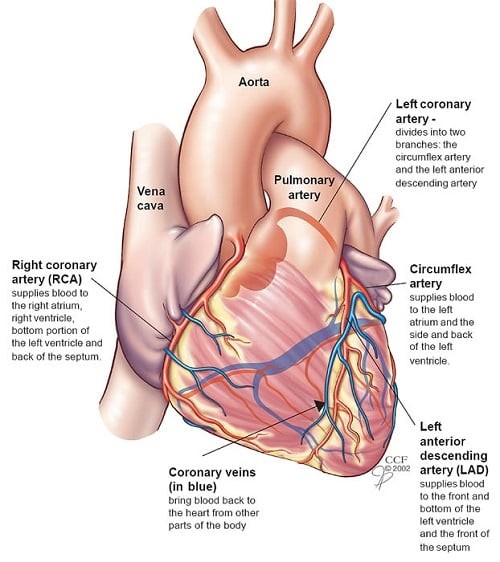
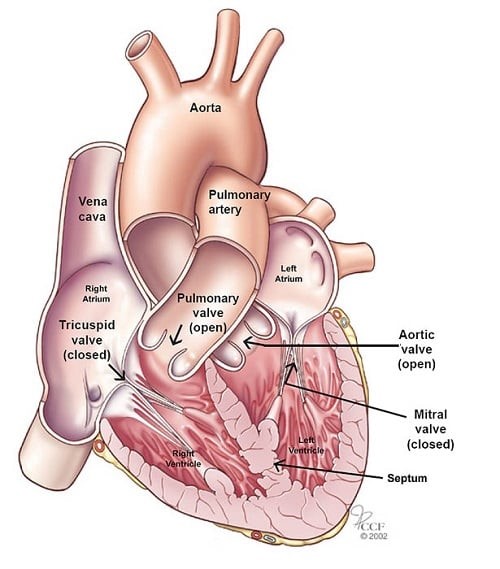
Heart : Our heart is the main organ of your cardiovascular system, a network of blood vessels that pumps blood throughout your body. It also works with other body systems to control our heart rate and blood pressure. Our family history, personal health history and lifestyle all affect how well our heart works.
The heart is a fist-sized organ that pumps blood throughout our body. Electrical impulses propel four major sections (chambers) of our heart. Understanding the risk, making healthy choices, and making efforts to lower our chances of having heart disease are all part of living a heart-healthy lifestyle. Adopting preventive actions can reduce your risk of heart disease. Our doctor or physician may prescribe standard diagnostic tests to diagnose heart disorders after a health check-up. However, specific heart tests recommended by Ayu ventures Panel Doctors include the Lipid profile, Cardiac screen panels, Cardiac injury profiles (mini & maxi), Cardiac risk profile, Heart failure profile Maxi, and Atherosclerosis profiles 1, 2 & 3 for elderly people.